Ever heard the acronym CRM floating around in business discussions and wondered, “What does CRM stand for?” You’re not alone! It’s a common question, and understanding the answer is key to unlocking a more efficient and customer-centric approach for any business. Simply put, CRM stands for Customer Relationship Management.
So, What Does CRM Stand For? The Full Scoop
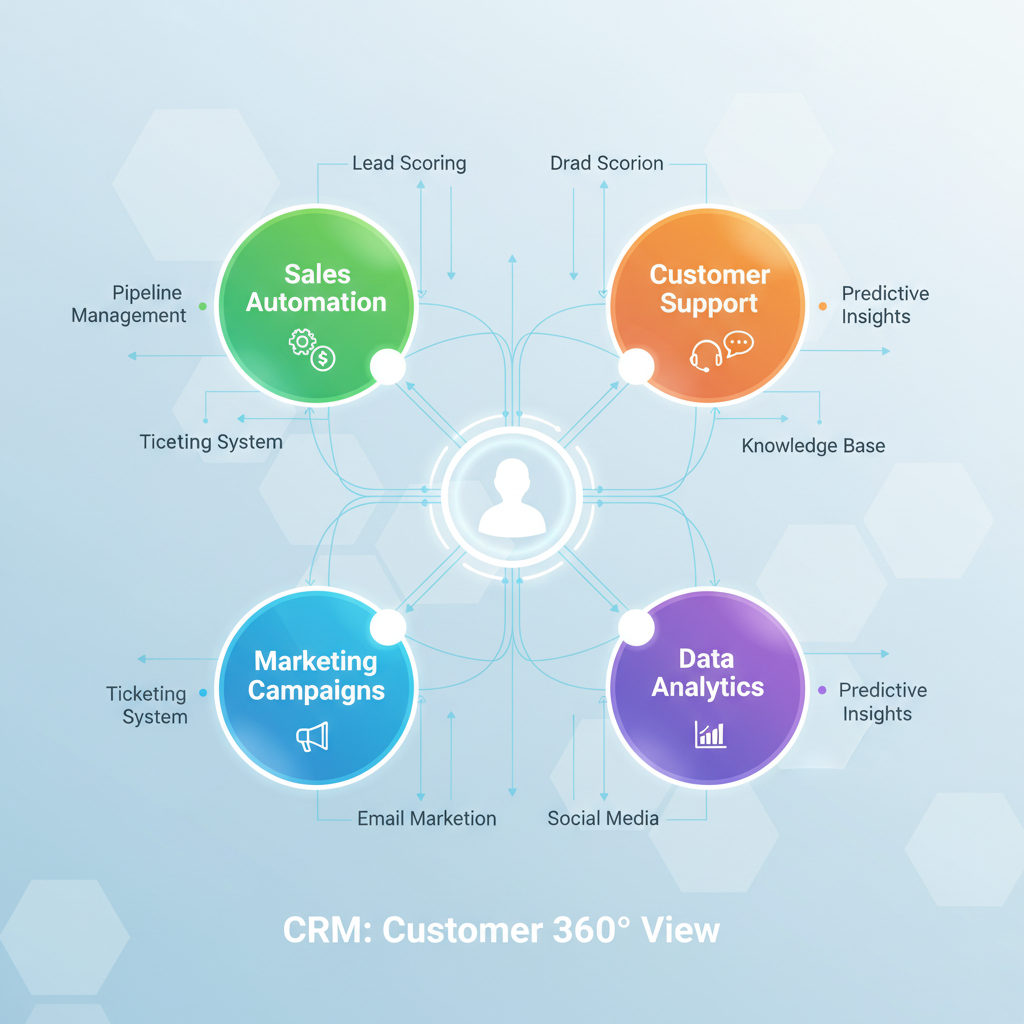
At its core, Customer Relationship Management (CRM) is more than just a piece of software; it’s a strategy and a system designed to manage and analyze customer interactions and data throughout the customer lifecycle. The goal is to improve business relationships with customers, assist in customer retention, and drive sales growth. A CRM system compiles customer data from various channels – including a company’s website, telephone, email, live chat, marketing materials, and social media. It centralizes all this information, making it accessible to various departments like sales, marketing, and customer service.
Why Is CRM So Important for Your Business?
Understanding what does CRM stand for helps you grasp its immense value. Implementing a robust CRM system offers a wealth of benefits that can transform how your business operates and interacts with its customers.
Boost Customer Satisfaction
With all customer information in one place, your customer service team can quickly access past interactions, preferences, and issues. This leads to faster, more personalized, and more effective support, making customers feel valued and understood. Happy customers are loyal customers!
Supercharge Your Sales
CRM tools provide sales teams with powerful insights into customer behavior and purchasing patterns. This allows them to identify promising leads, tailor sales pitches, and follow up at just the right time, leading to higher conversion rates and increased revenue.
Streamline Marketing Efforts
Marketing benefits immensely from CRM data. By segmenting customers based on demographics, purchase history, and engagement, your marketing team can create highly targeted campaigns that resonate with specific audiences, improving ROI on marketing spend.
Key Features You’ll Find in a CRM System
Modern CRM platforms are packed with features designed to automate tasks, improve collaboration, and provide actionable insights. Here are some of the most common and valuable ones:
- Contact Management: Centralized database for all customer and prospect information.
- Interaction Tracking: Logs all communications (emails, calls, meetings) with customers.
- Lead Management: Helps businesses track and manage leads from initial contact to conversion.
- Sales Forecasting: Predicts future sales performance based on current data.
- Reporting & Analytics: Generates reports and dashboards to visualize key metrics.
- Automation: Automates repetitive tasks like data entry, email follow-ups, and lead assignment.
Different Flavors of CRM
While the core principle of what does CRM stand for remains the same, there are different types of CRM solutions tailored for specific business needs:
- Operational CRM: Focuses on automating customer-facing processes like sales, marketing, and customer service.
- Analytical CRM: Concentrates on collecting and analyzing customer data to understand customer behavior and improve decision-making.
- Collaborative CRM: Aims to improve communication and coordination between different departments (sales, marketing, service) that interact with customers.
Choosing the Right CRM for Your Needs
Selecting the perfect CRM system involves evaluating your business size, specific departmental needs, budget, and integration requirements. There are many options available, from simple contact managers for small businesses to enterprise-level platforms for large corporations.
Conclusion
So, what does CRM stand for? It stands for a smarter, more customer-focused way of doing business. By investing in a CRM strategy and system, companies can build stronger relationships, boost efficiency, and ultimately drive greater success. It’s about putting your customers at the heart of everything you do, and that’s a recipe for long-term growth and loyalty.