Category: Business Tools

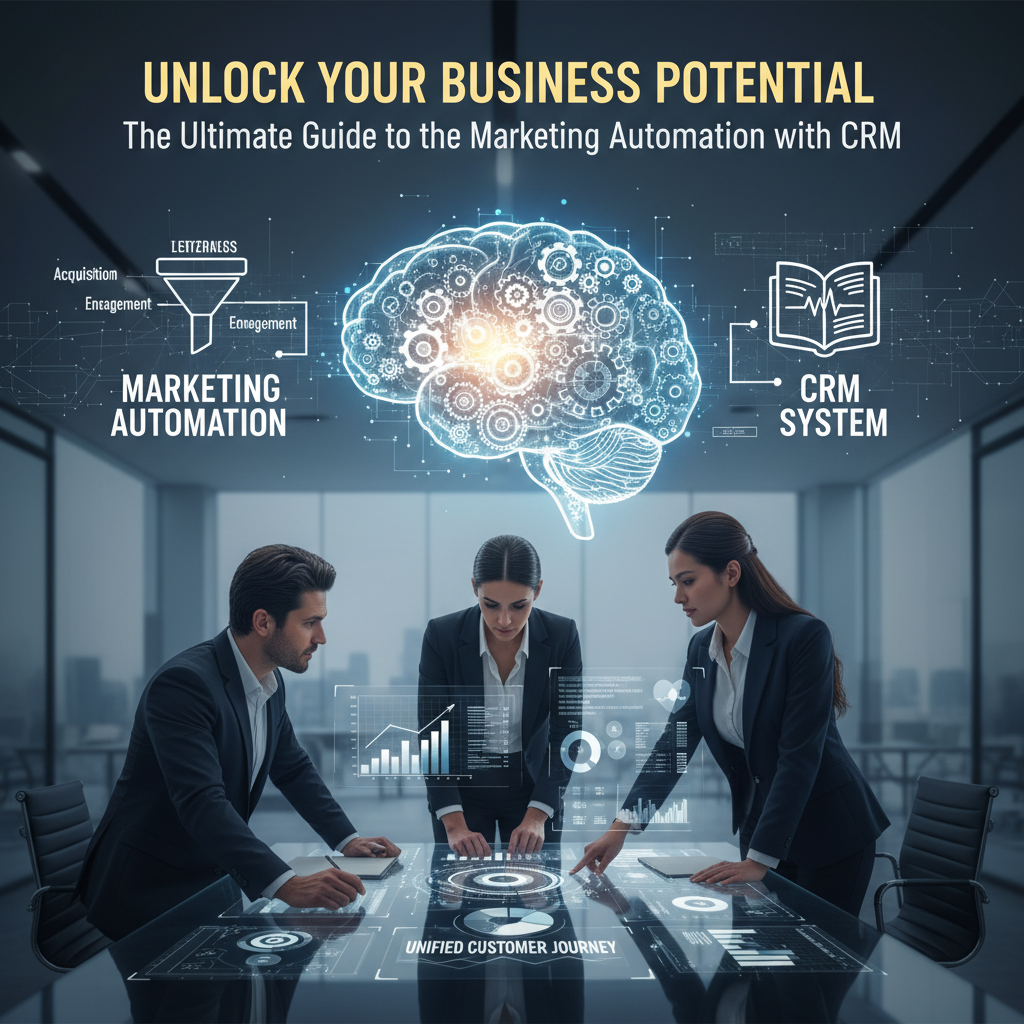
  • Unlock Your Business Potential: The Ultimate Guide to Marketing Automation with CRM

    Unlock Your Business Potential: The Ultimate Guide to Marketing Automation with CRM

    Hey there! Are you looking to supercharge your marketing efforts and build stronger customer relationships? If so, then Marketing Automation with CRM is a game-changer you can’t afford to ignore. It’s like having a superhero duo for your sales and marketing teams, working seamlessly to attract, engage, and delight your customers.

    What Exactly is Marketing Automation with CRM?

    Let’s break it down. Marketing Automation refers to software that automates repetitive marketing tasks, such as email marketing, social media posting, and ad campaigns. Think of it as your digital assistant handling the routine so you can focus on strategy. On the other hand, CRM (Customer Relationship Management) is a system designed to manage and analyze customer interactions and data throughout the customer lifecycle. It helps you keep track of every touchpoint, from initial contact to post-purchase support.

    Now, when you combine these two, you get something truly powerful. Marketing Automation with CRM integrates customer data directly into your automated marketing campaigns. This means your automated messages aren’t generic; they’re highly personalized, timely, and relevant, based on everything you know about each individual customer or lead. Imagine sending the right message, to the right person, at the exact right moment—all automatically!
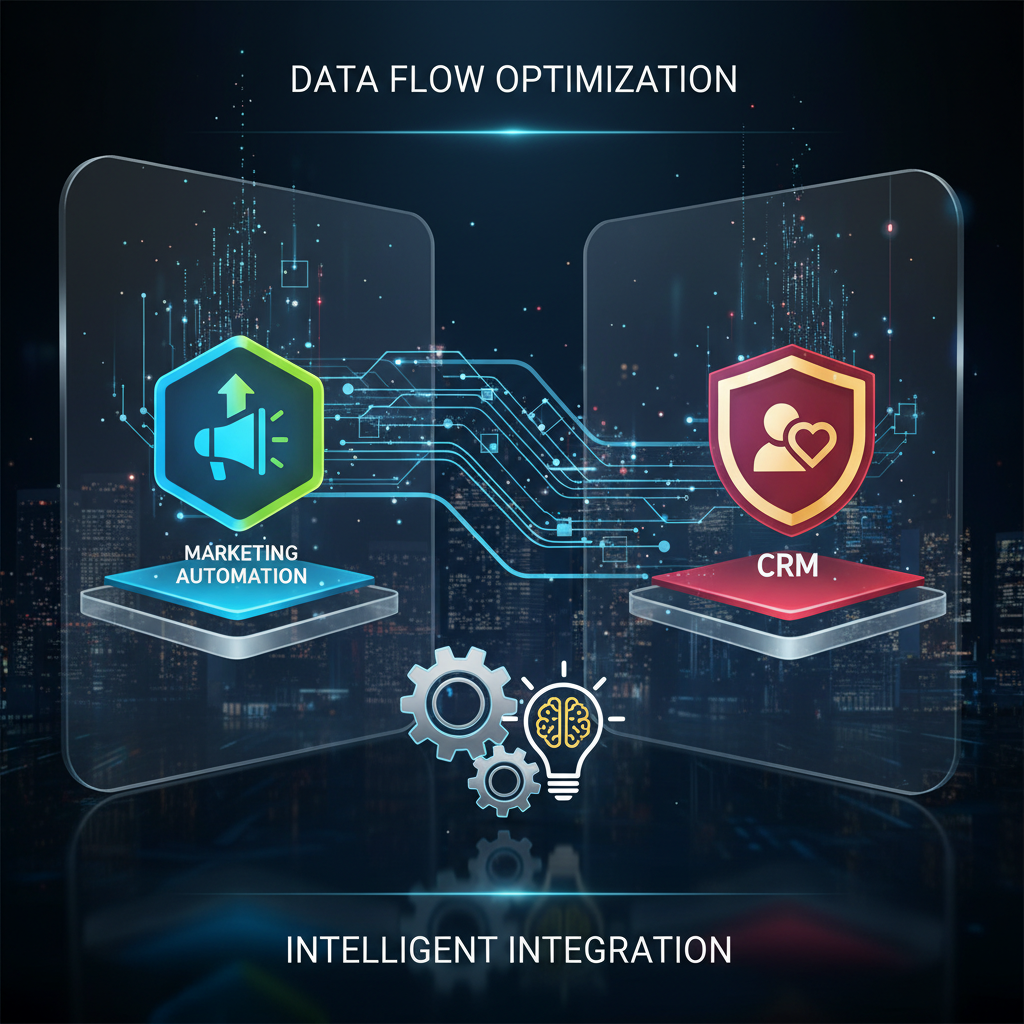
    A vibrant, futuristic infographic showing data flowing seamlessly between two distinct, interconnected digital platforms labeled 'Marketing Automation' and 'CRM', represented by sleek icons and lines, with small gears and a lightbulb symbolising intelligence and efficiency. Photorealistic, clean design.

    Why Combine Them? The Benefits are Huge!

    Integrating your marketing automation tools with your CRM isn’t just a nice-to-have; it’s a strategic necessity for modern businesses looking to thrive. Here’s why:

    Boost Efficiency and Save Time

    Automating tasks like lead nurturing sequences, follow-up emails, and segmentation frees up your marketing team to focus on creative strategies and high-impact activities. No more manual data entry or sifting through spreadsheets – the systems do the heavy lifting.

    Personalize Customer Experiences

    With CRM data at its core, your Marketing Automation with CRM system can segment audiences based on demographics, purchase history, website behavior, and more. This allows for hyper-personalized messaging, making customers feel truly understood and valued. Personalized experiences lead to higher engagement and loyalty.

    Improve Lead Nurturing

    From initial interest to becoming a loyal customer, the journey can be long. CRM provides the context for each lead, while marketing automation ensures they receive targeted content at every stage. This continuous, relevant engagement helps move leads down the sales funnel more effectively.

    Gain Better Insights and ROI

    When your marketing and CRM systems talk to each other, you get a complete picture. You can track which marketing campaigns are generating the most valuable leads, understand conversion rates better, and accurately calculate the ROI of your marketing spend. This data-driven approach allows for continuous optimization.

    Key Features to Look For

    When considering a Marketing Automation with CRM solution, look for features that empower your team:

    • Integrated Email Marketing: Send targeted campaigns directly from customer data.
    • Lead Scoring & Segmentation: Automatically score leads based on engagement and segment them for precise targeting.
    • Workflow Automation: Set up automated journeys for leads and customers.
    • Analytics & Reporting: Understand campaign performance and customer behavior.
    • Sales Alignment: Provide sales teams with rich customer data and insights from marketing activities.

    A diverse team of marketing and sales professionals collaborating harmoniously in a modern, brightly lit office. One person points at a large monitor displaying a dashboard with CRM data and marketing automation campaign performance metrics, while others are actively discussing strategies. The atmosphere is productive and innovative. Photorealistic, professional.

    Getting Started with Marketing Automation and CRM

    Ready to dive in? Start by evaluating your current processes and identifying pain points where automation can help. Choose a platform that offers robust integration capabilities and scales with your business. Remember, the goal is to create a unified view of your customer and streamline your outreach efforts.

    In conclusion, Marketing Automation with CRM isn’t just a trend; it’s a fundamental shift in how businesses connect with their audience. By embracing this powerful combination, you’re not only saving time and resources but also building stronger, more meaningful customer relationships that drive sustainable growth. So, what are you waiting for? Start exploring the possibilities today!
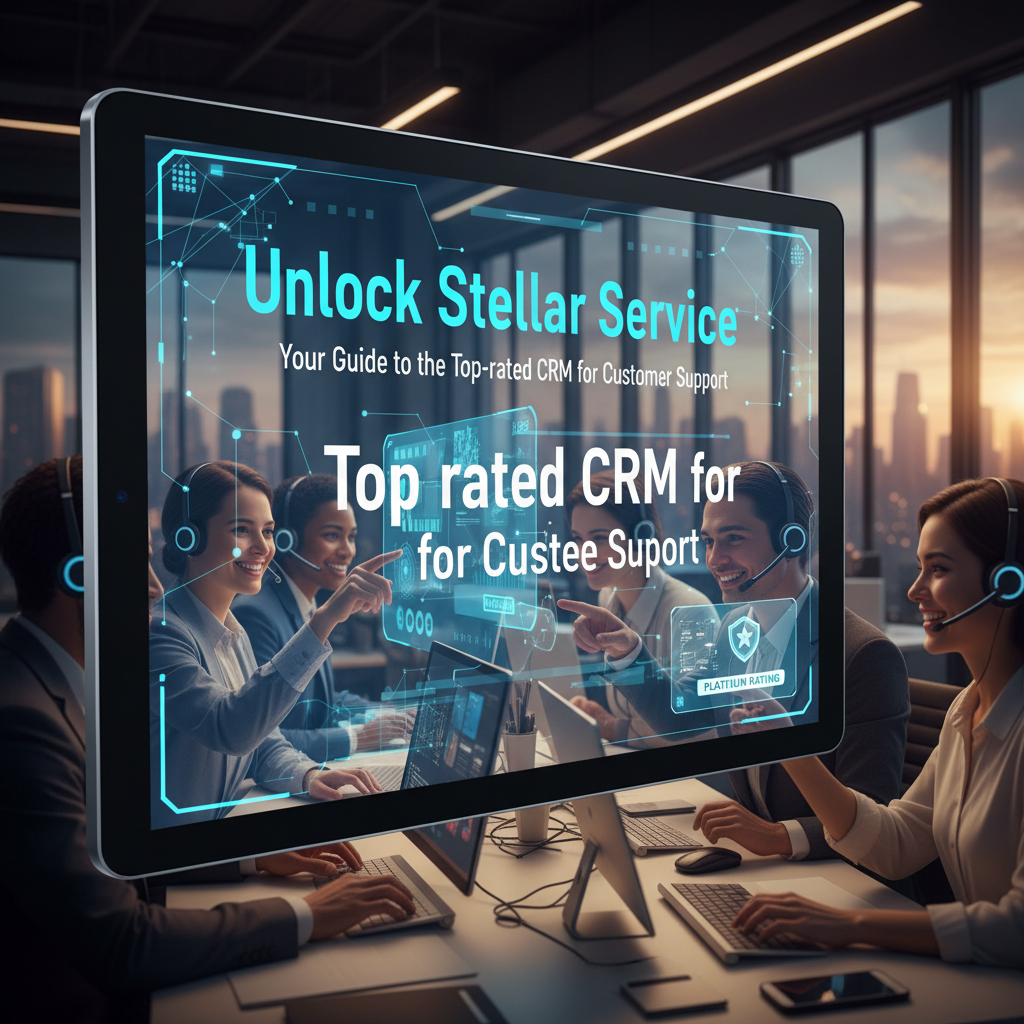

  • Unlock Stellar Service: Your Guide to the Top-rated CRM for Customer Support

    Unlock Stellar Service: Your Guide to the Top-rated CRM for Customer Support

    Hey there! Ever wonder how some companies consistently deliver amazing customer service? Often, the secret sauce is a powerful Customer Relationship Management (CRM) system. When you’re looking to elevate your customer interactions and streamline your support team’s efforts, finding the Top-rated CRM for Customer support becomes your mission. Let’s dive into what makes a CRM stand out and how it can transform your customer service experience.

    Why a Top-Rated CRM is a Game-Changer for Customer Support

    In today’s fast-paced world, customers expect quick, personalized, and consistent support across all channels. Without a robust system, this can feel like herding cats! A top-rated CRM for customer support brings everything into one neat package, allowing your team to:

    • Have a Unified Customer View: No more asking customers to repeat themselves. Every interaction, purchase, and preference is at your team’s fingertips.
    • Boost Efficiency: Automate repetitive tasks, route tickets smarter, and resolve issues faster.
    • Offer Personalized Experiences: With a complete history, agents can tailor responses and solutions, making customers feel truly valued.
    • Improve Team Collaboration: Support agents can easily share information and collaborate on complex issues, ensuring a smooth customer journey.

    A diverse group of customer support agents smiling and collaborating effectively while looking at a unified CRM dashboard on a large monitor in a modern, brightly lit office. The screen shows customer interaction history and open tickets. Photorealistic, warm lighting.

    Essential Features of a Top-rated CRM for Customer Support

    So, what exactly should you look for when hunting for the Top-rated CRM for Customer support? Here are some non-negotiables:

    #### Unified Inbox & Multi-channel Support

    Your CRM should consolidate interactions from email, chat, phone, social media, and more into a single, easy-to-manage inbox. This prevents queries from falling through the cracks and ensures consistent service, no matter how a customer reaches out.

    #### Automation and Workflow Management

    Imagine automatically routing urgent tickets to the right specialist or sending follow-up emails without manual effort. A great CRM automates these tasks, freeing up your team to focus on complex problem-solving.

    #### Knowledge Base Integration

    An integrated knowledge base allows agents (and even customers, via self-service portals!) to quickly find answers to common questions. This speeds up resolution times and reduces the workload on your support team.

    #### Robust Reporting and Analytics

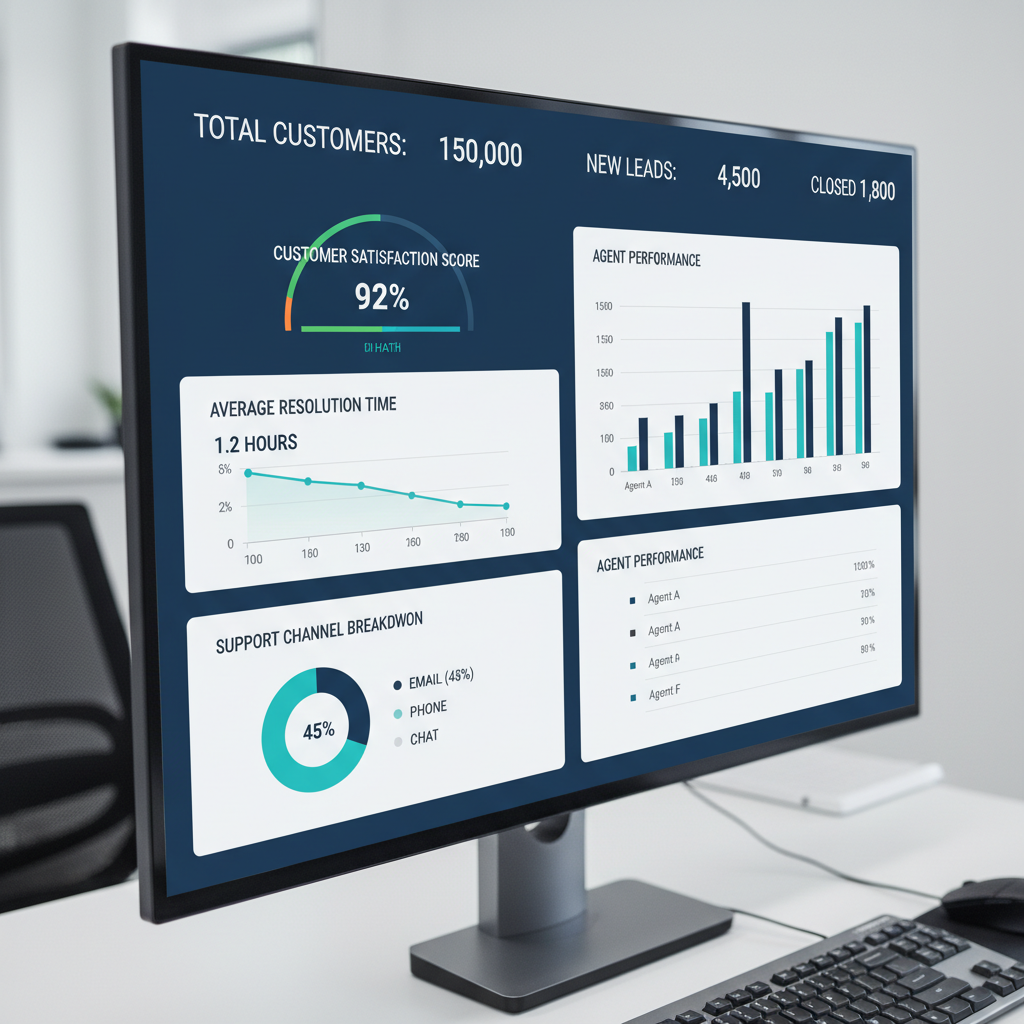
    To truly optimize your support, you need data. A top-rated CRM offers detailed reports on agent performance, resolution times, customer satisfaction, and more. These insights are invaluable for identifying trends and making data-driven decisions.

    #### Seamless Integrations

    Your CRM shouldn’t live in a silo. Look for solutions that integrate well with other tools you use, such as e-commerce platforms, marketing automation software, and communication tools. This creates a cohesive ecosystem for your business.

    A detailed, close-up shot of a CRM analytics dashboard displaying various charts and graphs, including customer satisfaction scores, average resolution time, and agent performance metrics. The screen is clean, modern, and easily readable with data visualizations. Photorealistic, high-contrast.

    Finding Your Perfect Match: How to Choose a Top-rated CRM for Customer Support

    While the market offers many excellent options, the “best” CRM is ultimately the one that fits your specific needs. Consider these points:

    • Business Size and Needs: Are you a small startup or a large enterprise? The scale of features and pricing will vary.
    • Ease of Use: A powerful CRM is only good if your team can actually use it without a steep learning curve.
    • Scalability: Choose a system that can grow with your business and accommodate future demands.
    • Budget: Be realistic about what you can afford, but also consider the ROI in terms of improved customer satisfaction and efficiency.
    • Vendor Support: Excellent support from your CRM provider can be a lifesaver during implementation and ongoing use.

    Ready to Elevate Your Support?

    Investing in a Top-rated CRM for Customer support isn’t just about buying software; it’s about investing in your customer relationships and the future of your business. By choosing wisely, you empower your team to deliver exceptional service, build stronger customer loyalty, and ultimately, drive growth. So go ahead, explore your options, and get ready to transform your customer support experience!

  • Unlock Happy Customers: How to Boost Customer Satisfaction with CRM

    Unlock Happy Customers: How to Boost Customer Satisfaction with CRM

    Hey there! Ever wonder how some businesses just seem to get their customers? It’s not magic, it’s smart strategy, and often, it’s powered by a fantastic tool: CRM (Customer Relationship Management). If you’re looking to significantly improve how your customers feel about your brand, learning how to boost customer satisfaction with CRM is your golden ticket. Let’s dive in and see how this powerful system can transform your customer relationships from good to absolutely amazing!

    What Exactly is CRM and Why Does It Matter?

    Think of a CRM system as your business’s ultimate memory bank for all things customer-related. It’s a technology that helps manage all your company’s relationships and interactions with customers and potential customers. The goal is simple: improve business relationships to grow your business. By centralizing customer data, from contact info to past purchases and interactions, CRM empowers you to understand your customers deeply. This understanding is crucial if you want to effectively boost customer satisfaction with CRM.

    How CRM Helps You Boost Customer Satisfaction

    CRM isn’t just a database; it’s a dynamic platform that facilitates better interactions at every touchpoint. Here’s how it makes a real difference:

    Personalized Interactions

    Nobody likes feeling like just another number. CRM allows you to gather detailed customer profiles, including their preferences, purchase history, and communication styles. This means every interaction can be tailored to their specific needs and interests, making them feel valued and understood. Imagine recommending products a customer genuinely loves, or remembering a previous conversation – that’s the power of personalization through CRM.

    Efficient Problem Resolution

    When a customer has an issue, they want it resolved quickly and painlessly. A CRM system provides your support team with instant access to a customer’s entire history, so they don’t have to repeat themselves. This unified view drastically cuts down resolution times and reduces frustration. Happy customers are often those whose problems are handled efficiently and effectively.

    A diverse customer support team, smiling, working collaboratively in a modern office, each looking at their computer screens with clear, well-organized CRM dashboards visible. The atmosphere is calm and professional, with a focus on problem-solving.

    Proactive Communication

    Don’t wait for your customers to come to you with questions. CRM helps you anticipate needs and communicate proactively. Whether it’s sending timely updates about an order, sharing relevant product news, or reminding them about an upcoming appointment, proactive communication shows you care. This reduces uncertainty and builds trust, playing a big role in efforts to boost customer satisfaction with CRM.

    Consistent Service Across Channels

    Customers interact with your business through various channels – email, phone, social media, live chat. A good CRM ensures that the experience is consistent across all of them. No matter how they reach out, your team has the same up-to-date information, preventing disjointed conversations and ensuring a seamless service experience. This consistency is key to fostering loyalty and satisfaction.

    Data-Driven Insights for Improvement

    CRM isn’t just about managing current interactions; it’s also about learning from them. By analyzing customer data, you can identify trends, pain points, and areas for improvement in your products or services. This insight allows you to make informed decisions that lead to systemic improvements in customer experience, making it easier to continuously boost customer satisfaction with CRM.

    Tips for Maximizing CRM’s Impact

    To truly get the most out of your CRM and ensure happy customers, consider these tips:

    • Train Your Team Thoroughly: A CRM is only as good as the people using it. Invest in comprehensive training.
    • Keep Data Clean and Updated: Outdated or inaccurate data defeats the purpose of a CRM.
    • Integrate with Other Tools: Connect your CRM with marketing, sales, and support tools for a holistic view.
    • Regularly Review and Optimize Processes: Use CRM data to refine your customer service strategies.
    • Listen to Feedback: Use CRM to track and act on customer feedback.

    Implementing a robust CRM system is a strategic move that pays dividends in customer loyalty and business growth. It empowers your team, delights your customers, and ultimately helps you achieve your goal of outstanding customer satisfaction.

    A diverse group of happy customers interacting positively with a brand representative at a beautifully designed, modern storefront. One customer is smiling, holding a product, while another is having an engaging conversation with the representative, showing excellent customer service and satisfaction.